

Date : 15 April 2026
Media Note – QR Code Payments: The Quiet Revolution Changing How Fijians Make Payments
In today’s fast moving world, the way we pay for things is changing quickly. More people are now using their phones for payments instead of relying on cash, cards or bank transfers. With smartphones prevalent across Fiji, QR code payments are fast becoming popular as the new normal. Understanding this shift is important for everyone whether they are a shopper, a business owner or a student.
In supporting this shift to QR Code payments Governor of the Reserve Bank of Fiji, Mr Ariff Ali remarked “They offer a fast, secure and convenient way to pay, eliminating the need for physical cards or cash. This is particularly valuable in regions with high smartphone penetration but limited access to traditional banking infrastructure”.
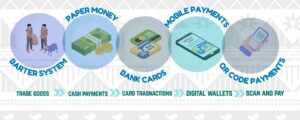

What Is a QR Code?
A QR code (Quick Response code) is a simple barcode made up of black and white squares. You scan it using your smartphone camera. Once scanned it opens a page where you make a payment instantly. You do not need cash, a bank card or even an EFTPOS machine just your phone.
Why Are QR Payments Important?
QR payments are preferred because they are:
- Fast – payments happen almost instantly
- Safe – no need to carry cash
- Convenient – works with just your smartphone
How Did This Start?
QR codes were developed in the 1990s by a Japanese automotive manufacturer to track parts in production but only gained traction for payments in the early 2010s through China’s WeChat and Alipay applications. Their use then spread across Asia, Africa and South America and is gradually emerging in developed markets as a low-cost alternative to card payments.
In Fiji, QR payments first made a quiet appearance in 2016 through printed QR codes used mainly by tourists and China‑based account holders. However Vodafone introduced QR payments for local users in 2019. Digicel later launched MyCash and became the first provider to issue personal QR codes to all customers, enabling instant peer‑to‑peer transfers. The use of QR payments accelerated during COVID‑19 due to demand for contactless payments and has continued to grow with the rising popularity of mobile wallets.
Who uses QR Code payments and Digital Wallets?
Payment Service Providers (PSPs) which offer QR Code payments and Digital Wallet services in Fiji need to be licensed under the National Payment System Act 2021 and its 2022 Regulations administered by the RBF. Currently there are five licensed PSPs that offer these services:
 Digital Financial Services Pte Limited (M-PAiSA).
- Digicel (Fiji) Pte Limited (MyCash).
- Sole Limited (Solé).
- Abacus Fintech Pte Limited (WeChat).
- Dynamic Payment Limited (China UnionPay and WeChat).
As of December 2025:
- 957,816 people were registered e‑money users.
- 75.4%, or 722,340, were active users.
For 2025:
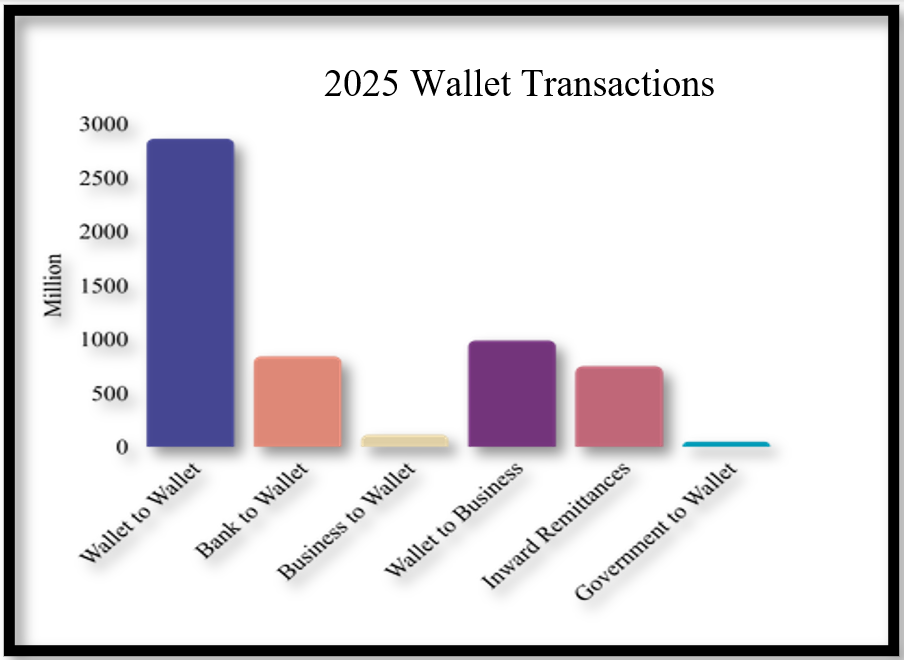
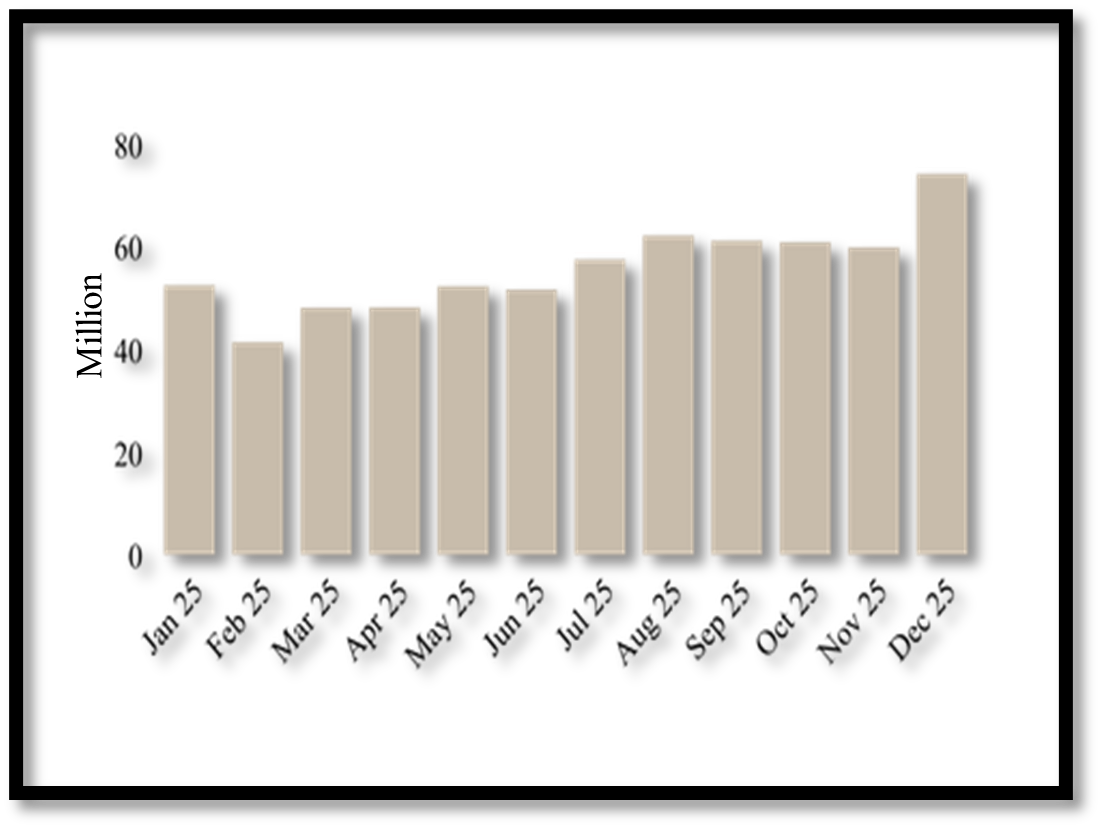
- PSPs processed 116.4 million wallet transactions.
- Worth $7.3 billion in total.
- An average of $612 million per month.
QR payments also grew strongly, reaching $672.3 million by end of 2025.
Inwards remittances from mobile money totaling $742.3 million, contributed to the notable growth in digital wallet and QR code payments during the period, mainly from Australia, the United States, New Zealand,the United Kingdom and Canada.
 How to Pay Using QR Codes
- Open your app (M‑PAiSA, MyCash, Solé, etc.)
- Select “Scan to Pay”
- Scan the merchant’s QR code
- Confirm the merchant’s name
- Enter the amount and your PIN
- You and the merchant will receive a confirmation instantly
How To Use QR Payments Safely
- Check for tampered QR codes – scammers may place fake stickers
- Verify the business name before entering your PIN
- Keep your PIN secret, never share it
- Be careful with strange links opened from QR codes
- Avoid suspicious offers with “too good to be true” discounts
Who Are the Key Players?
- Reserve Bank of Fiji: Oversees and ensures safe, smooth payment systems.
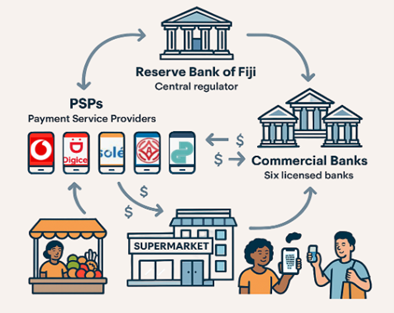
- Payment Service Providers: Solé, Abacus Fintech, Dynamic Payment.M‑PAiSA, MyCash,
- Commercial Banks: All six banks in Fiji now connect directly to the central system.
- Merchants: From supermarkets to market vendors, anyone can use QR payments.
- Customers: Anyone with a smartphone and internet can make QR payments easily.
What’s Next for Fiji?
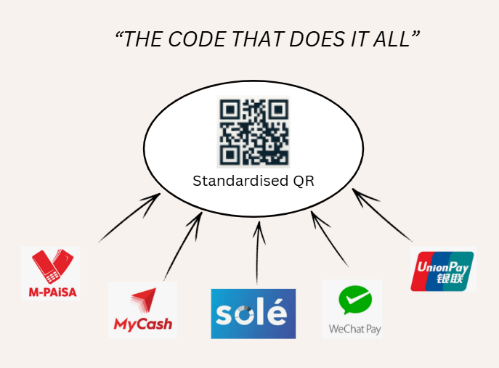
The RBF is working on a single, standardised QR code that works on all payment apps.
This means:
- Businesses no longer need several QR codes displayed on the counter for different service providers.
- Customers will not face payment failures due to incompatible codes.
- Payments will become smoother, faster and more reliable.
A standardised QR code will support businesses, make customers’ lives easier and help strengthen Fiji’s growing digital economy.
What are the Benefits of a single, standardised QR Code?
A simpler QR system will help Fiji:
- Make payments faster and more reliable
- Reduce costs for businesses
- Increase convenience for customers
- Support innovation and new technologies
- Encourage economic growth
- Improve access to financial services
Whether a business owner, a student, or a farmer in the outer islands understanding QR payments helps one take part in Fiji’s growing digital economy.
RESERVE BANK OF FIJI
For further details, please contact:-
Communications Office
Telephone: (679) 3223 381 Email: info@rbf.gov.fj
Mr Mervin Singh – Manager Corporate Communications
Telephone: (679) 3223 229 Email: mervin@rbf.gov.fj